The Grief of the Stayer
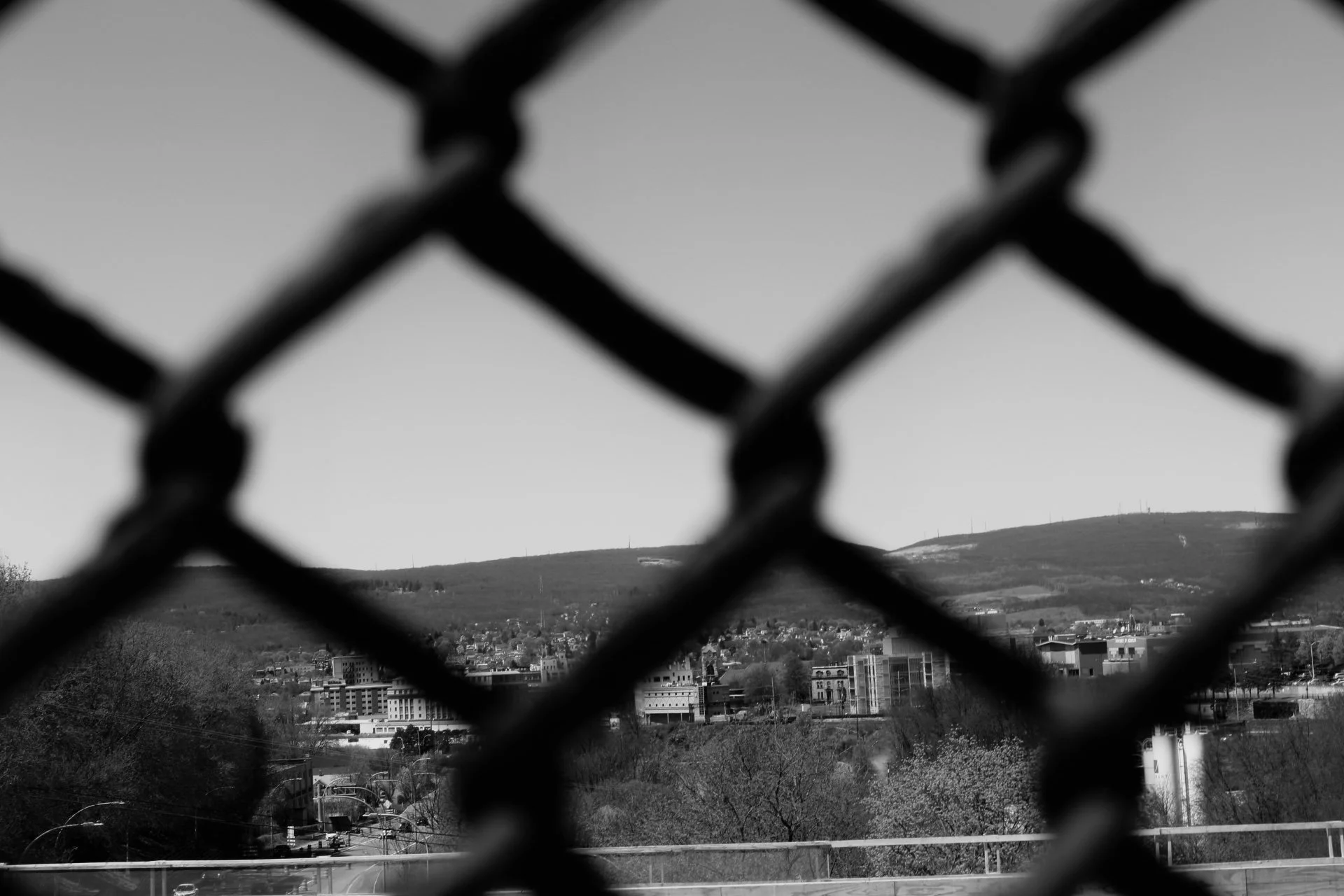
On Lackawanna Avenue, the buildings still remember what Scranton was. I’m not sure if the rest of the country does. We point to large dollar figures and almost become immune to them until you step outside and view the world around us. We internalize figures like $183.5 billion in federal flowdown to small businesses, and the ongoing federal acquisition overhaul as a “Goldilocks” window of opportunity. The opportunity to bring hope, and life back into the American interior.
But the reality is, when I walk down Lackawanna Avenue in Scranton, Pennsylvania, the “renaissance” of changing regulation and industrial revitalization feels foreign. As a 25-year-old with the ideas and credentials to map the future of the American industrial base, I live in a city that often feels like a museum of its own obsolescence. We are told that change is coming, but for the “Stayers”—those of us who refused exodus to larger cities—the aging skylines and looming uncertainty leave a mound of fear that remains as high as the coal banks that once built this valley, and this nation.
The truth is small businesses are told to view shifting federal regulations as a ladder, but the rungs are missing. Our federal acquisition system remains a labyrinth of high-complexity and low entry—the “Knowledge Paywall” that leads to fundamental self-exclusion from the very people it claims to benefit. Optimism is a luxury, but reality is a debt that eventually becomes due. We are truly reaching a demographic chokepoint. When the “Stayers”—the regional thought leaders and visionaries of the next generation finally pick up and leave to large cities, it isn’t just a loss of talent, but rather a structural collapse of the American Interior.
Optimism is a luxury, but reality is a debt that eventually becomes due.
Walking through downtown Scranton is not just a personal experience, but rather a template for the soul of America diminishing. A template not unique to my experience, but the reality many Americans face. Hearing stories of “a better time” or “a thriving population” is where the museums we call home become haunting. Architectural marvels like the Scranton Masonic Temple or Lackawanna Station cast a shadow. A shadow that provides physical proof and gives credibility to the stories we now see as folklore. They stand as stark reminders of what a thriving America can and ought to be, not just as something attainable, but rather something that galvanizes the surrounding population with true, well-founded optimism.
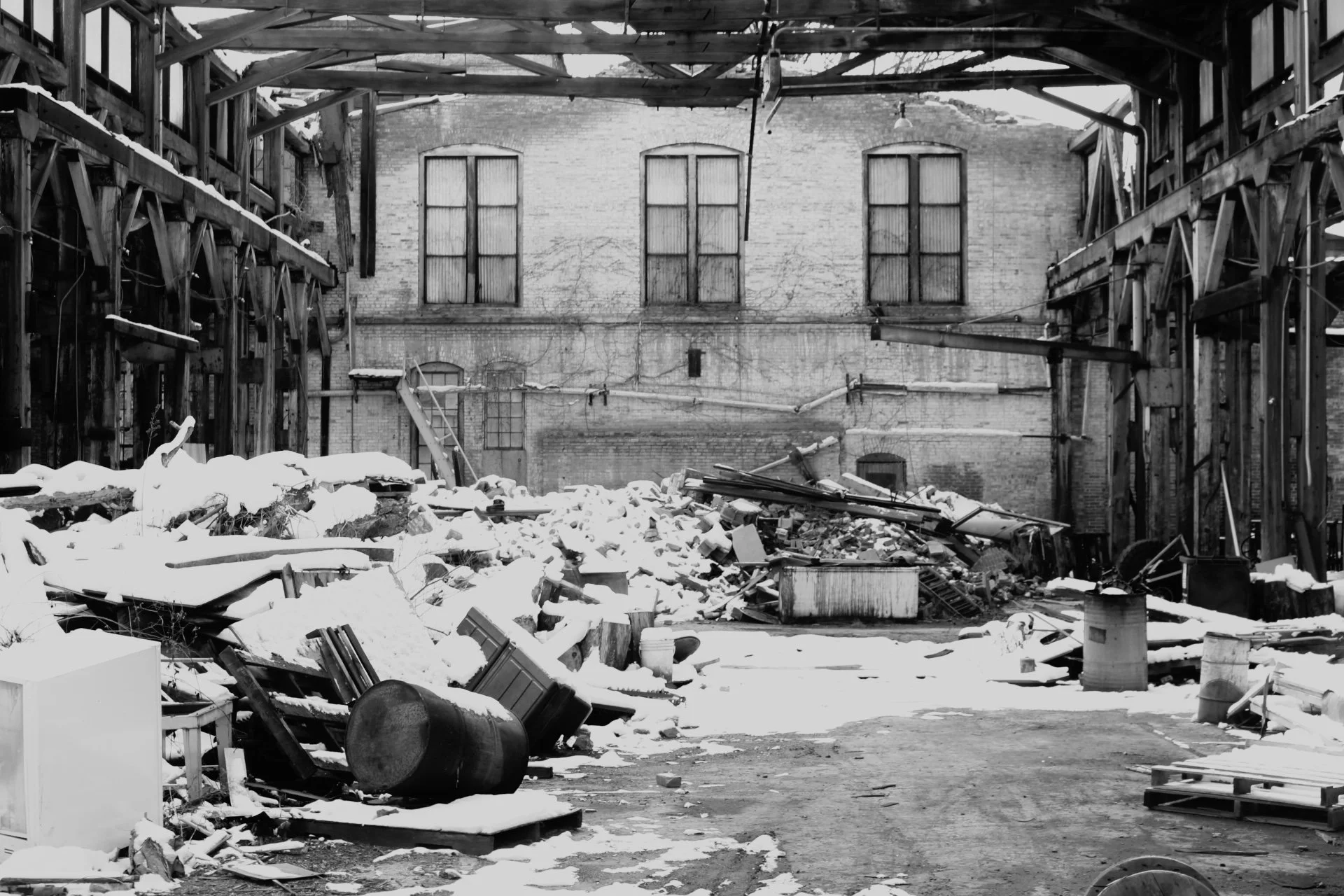
While these local points of pride still sit, they now occupy space serving as a harsh reminder of what was attainable. Today’s “monuments” are invisible. They are encrypted. They are buried in thousands of pages of regulatory framework that make small industry cry out and run. In the industry of federal acquisition, we all know the kind of money being tossed around, but when we look towards the empty storefronts and degraded infrastructure the confusion starts to emerge. Federal policy claims to champion small business. The empty storefronts across our nation suggest otherwise.
Looking to peers, or childhood friends, I feel the gravitational pull of “the exodus.” This spring a close friend and I met for a drink just off Lackawanna Avenue. He endured years of searching for work in this city—someone genuinely talented and committed to staying. That night he told me he’d accepted a position in New York. Not because he wanted to, but at some point, the longing for survival overtakes the desire to stay. A required sacrifice destined to be—without our consent.
Today’s “monuments” are invisible. They are encrypted. They are buried in thousands of pages of regulatory framework that make small industry cry out and run.
Leaving is not a defeatist mentality, rather a strategic reality. A damaging move in hopes for something more for their future, but at what point must we look to plant our heels and fight for revitalization or does all the fleeing, broken families, and new beginnings lead to the downfall of the American interior? Despite all of the federal government’s goals of expanding the American industrial base, we remain largely service orientated, or in Scranton’s case, a warehouse for the remainder of the northeast.
My lived experience in federal acquisition can tie this together with the reality of what it means to be a small business. In the glass towers of Northern Virginia, a “small business” is often a sophisticated apparatus of a plethora of people—proposal writers, compliance officers, and lobbyists who trade in the currency of the Federal Acquisition Regulation (FAR).
A small business in Scranton, or elsewhere within the American interior equates to a handful of people. The owner of a local machine shop may act as the head machinist, the HR manager, the janitor, and the “business development lead.” These folks see looming complexities of things like the Cyber Security Maturity Certification (CMMC) and already shut themselves out to real, forecastable profits they can use for tangible investment that translates into more than just black ink on a ledger, it means a new shift on the floor, an expanded bay, or simply the quiet dignity of keeping the lights on for another generation.
A transition in which we trade industrial sovereignty for digital storage, or a new warehouse that will soon be operated by robots.
This self-exclusion is the real silent killer of the American interior and ultimately the American dream. When a third-generation shop owner looks at 110 controls of cybersecurity framework, they make the decision to sell the shop to a logistics or AI data center developer. The cost isn’t just a small shop somewhere in Scranton; it's a pattern, a form of virus, one that is ravaging our country. It’s the subtle message to those in my generation and all Americans across the homeland to give up. We must realize that we’re not just selling pieces of land or closing businesses, we’re staring down the barrel of what is killing the soul of this country; a transition in which we trade industrial sovereignty for digital storage, or a new warehouse that will soon be operated by robots.
This systematic disease drives the withdrawal. It forces a generation to choose between their heritage and their hunger. People want to stay close to family or build something locally, but we don’t see a path to make this attainable. At what point does picking up and leaving become more appetizing than risking it all to save what we once called home? The answer, I think, begins with those of us who refuse to ask it.
Intellectual ability among young Americans is at a peak, and our access to information has never been more abundant. Let’s take my case; 25-years-old with an understanding of the problem and a path to fix it. Exodus is tempting—the beltway, doubled salary, and the possibility to become a true “insider”. This is where values must interject because how many of us with a taste for the “code” leaving makes the “Knowledge Paywall” permanent?
The renaissance won’t be won by a new federal grant, but rather the next generation of America saying enough is enough. Corps of translators: young people with visceral hunger to see their hometown restored, fluent enough in regulatory complexity to make that possible. This doesn’t mean more lavish buildings, but rather stable incomes and a path of advancement and growth. Those of us who remain must combat the museums of obsolescence into motivation to build workshops of the future. America isn’t a superpower because of how much digital storage we harbor; instead, it’s our industrial sovereignty.
Looking back down Lackawanna Avenue, I can feel and see the future as if it was imminent. Swaths of Americans like myself have more than aspirations, we have roadmaps for how we can return to the “golden days.” The fight will be far from simple. It will be extremely taxing. The real truth is, it may not even be possible, nor ever was it. But what does it mean to be an American, or human in general? We don’t process defeat, nor do we accept it; we rebel against it.
We don't process defeat, nor do we accept it; we rebel against it.
Joshua K. Burke — The Grief of the Stayer