
The Real Reason You “Hate” Your Hometown
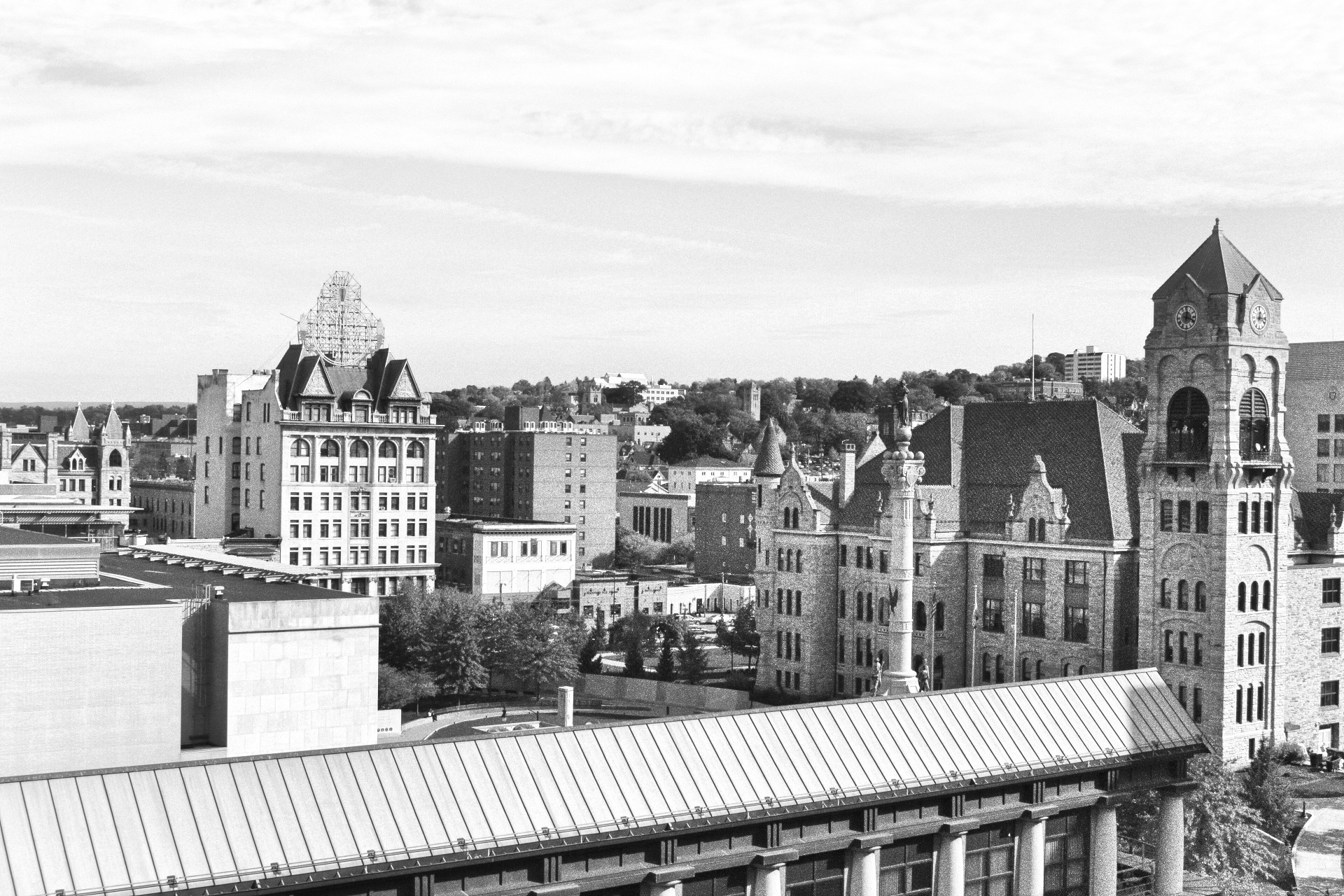
I hate potholes and I hate snow. I especially hate when the snow causes you to slide while avoiding a pothole that was poised to consume you. If you live in the northeast or anywhere in the interior, we can relate. There’s a lot about my hometown that I hate. But I’ve never really questioned the hate—whether it’s real, or the kind that only shows up when you care enough to notice every flaw.
Growing up in Scranton, Pennsylvania (yes, the office) I’ve always been told to leave. Buy the first ticket you can the second you turn eighteen. It made sense, and it still does—somewhat. The city I grew up in is shrouded in “what once was.” It’s old America, the kind of city where stories of the good old days circulate enough to convince you.
Funny enough, the hallmark of a “Scrantonian” isn’t how you recall the good, but how poetic you are with the frustration. A true native knows how to masterfully weave local lore into their insults of the present.
I’m a frequent contributor to this tradition. In fact, I often call it a treasured hobby. Recently, I sat at home having finished a local letter to our region's papers wondering what that impulse was—the need to say something, to contribute my opinion to the void. That instinct shows up in small, but impactful ways. I find data centers repulsive in the context of local development—so I wrote about it.
But, if I truly hated this place, why would I care enough to push back at all?
A true native knows how to masterfully weave local lore into their insults of the present.
Maybe it should be left for the technocratic wolves. Or maybe the truth is I love my hometown so much that I instinctively notice its small faults. A love deep enough to instinctively join the local fight against the modern anthracite boom-bust.
The potholes I notice, the snow I despise may be the reality I crave. The kind of American story my family has lived since they arrived. A city they sought to call home. One where they all mostly remain today, living and not.
Life’s rapid change has caused me to slow down. To pick up on small things like this. As an official member of Gen Z, I feel expected to move on the fly. But I’ve found comfort in pausing when the implications are greater than myself, and in this case they may be.
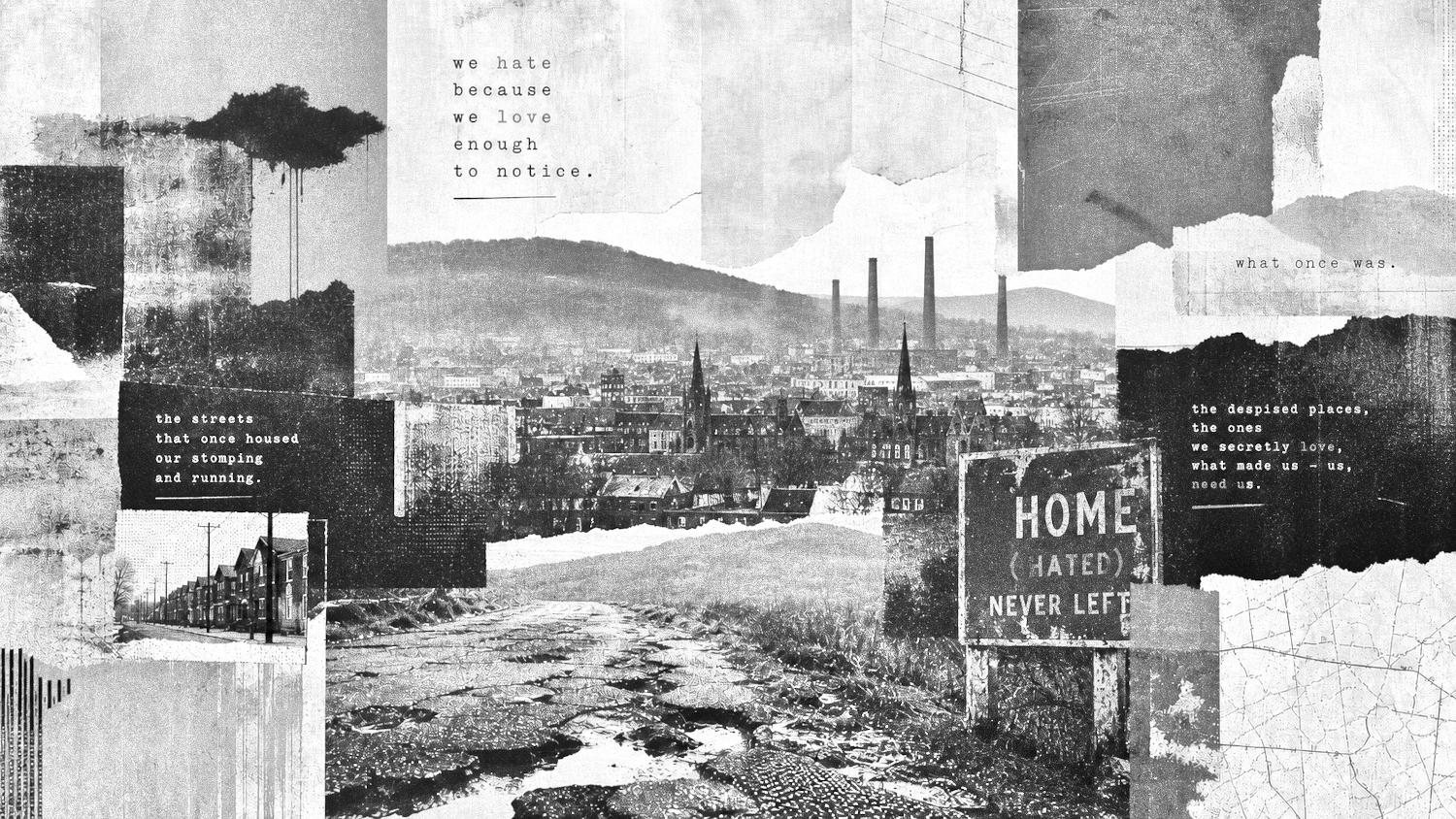
The hometown we claim to hate might be the place that needs us most. People so attuned to its imperfections that they could see out its revival. In the era of brain drain, at what point do we ponder whether or not the places we ran from are what need us most?
Is there a certain number of people that leave in which we see a collapse of the interior? It seems that’s what comes through logical progression.
Maybe we hate our hometowns because we’ve been on the sidelines. A location’s limitations can be obvious to an eye accustomed to its defects. The reasons that set up the internal narrative that told us to leave are actually the ammunition we need for revitalization.
The good stories circulated in with the bad serve a purpose. A subconscious reminder of what’s possible. Ones that don’t come from the AI chatbots whose data centers may be pillaging these very towns, but ones from family and those most trusted.
It’s easy to continue hating home, trust me, I know it well. But, good usually doesn’t derive from convenience. Like the good stories—it doesn’t arrive randomly.
At twenty-five, my vantage point is quite unique. Old enough to have played manhunt without a device to install TikTok on. Young enough to have still been forged in the digital landscape. It’s given me and those like me unique insight into what really once was. Small towns we hate—gave us a childhood we cherish—then succumbed to the modern world.
It’s nature if we let it be. Rivers flow to larger bodies. People leave for larger opportunities. Change only truly comes with planned intervention. The kind that starts with people honest enough to admit the place they complain about is the place they'd grieve most if it disappeared.
It’s time we reckon with nature, before nature acts on what we really love most. The places we find comfort in critiquing. The streets that once housed our stomping and running. The regions that once boomed but now whimper.
The places we despise, the ones we secretly love, the ones that made us—they need us.
Change only truly comes with planned intervention. The kind that starts with people honest enough to admit the place they complain about is the place they'd grieve most if it disappeared.
Joshua K. Burke — The Real Reason You "Hate" Your Hometown